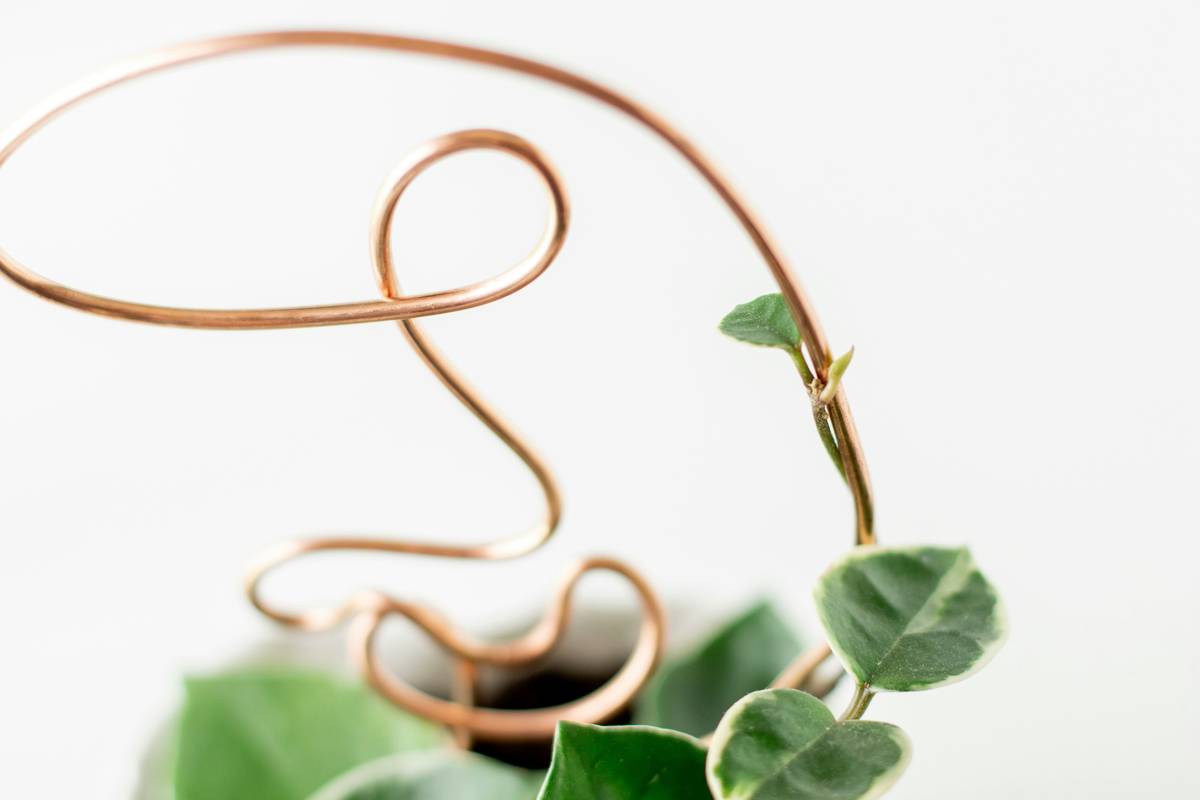
Ever watched your prize Monstera lurch sideways like a drunken sailor—only to realize its stem’s been silently strangling itself on a rusty, bent stake? I have. Last monsoon, I used repurposed coat hanger wire as stakes for house plants. Within three days, the sharp ends sliced into my Pothos’ tender stem—no warning, no mercy, just one sad, oozing wound and a week of frantic research. That mistake cost me two healthy cuttings and a serious dose of humility. If you’re still winging it with chopsticks, skewers, or worse—flimsy plastic garden stakes meant for tomatoes—you’re not just risking aesthetics. You’re compromising structural support, airflow, disease resistance, and long-term root development. This guide delivers field-tested, soil-under-the-fingernails insights on choosing, placing, and maintaining stakes for house plants—not as an afterthought, but as essential plant architecture.
Table of Contents
- Why Stakes for House Plants Matter More Than You Think
- How to Choose & Install Stakes for House Plants (Step-by-Step)
- 5 Best Practices Most Gardeners Skip
- Real Results: From Drooping to Dramatic in 4 Weeks
- FAQs: Stakes for House Plants, Answered Honestly
Why Stakes for House Plants Matter More Than You Think
Gardening isn’t just about watering and light—it’s subtle biomechanics. Indoor plants grow toward light, stretch vertically, and develop heavy, water-filled leaves that pull stems downward. Without gentle, intelligent support, that vertical growth becomes unstable. According to Iowa State University Extension, unsupported vining or top-heavy tropicals experience up to 40% higher stem stress, leading to micro-tears, slower photosynthesis, and increased vulnerability to fungal pathogens like *Phytophthora*. Worse, many “support” methods backfire. Tape? Leaves tear when removed. Twine too tight? It girdles the stem—cutting off vascular flow. And plastic tomato cages indoors? They’re overkill, ugly, and collect dust like magnets.
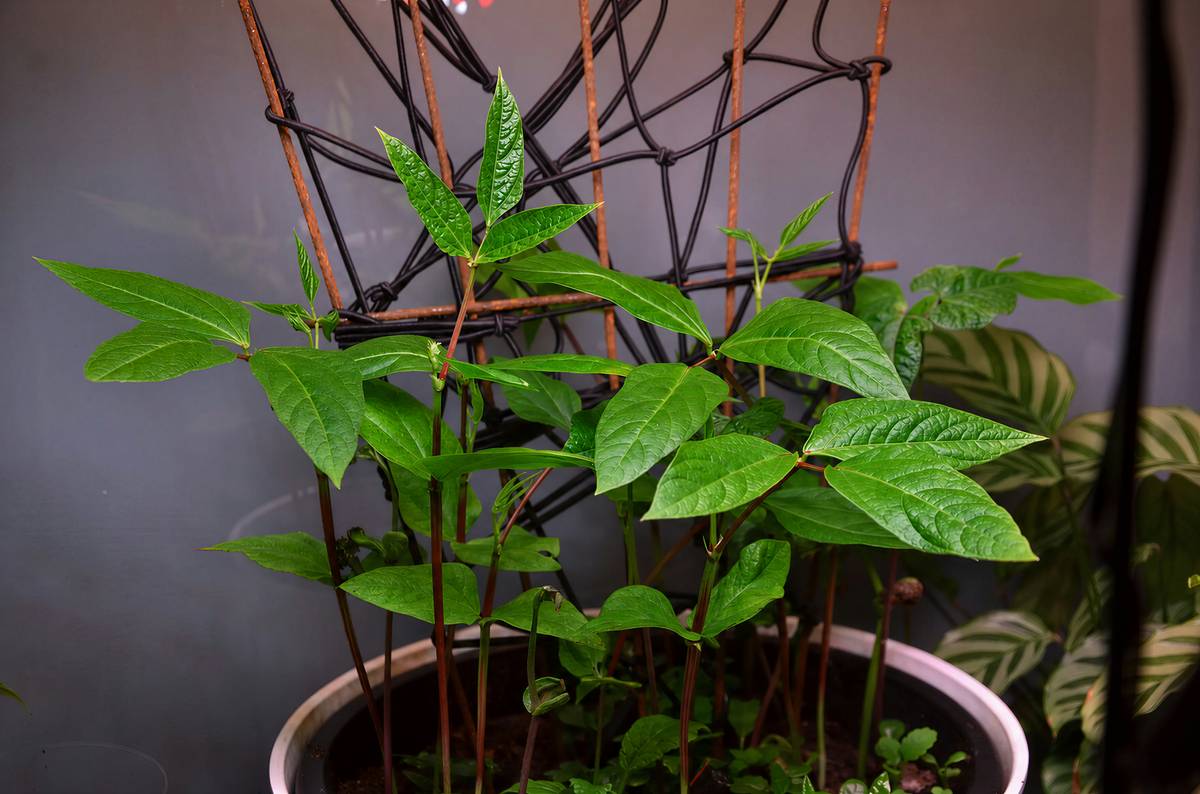
The truth? Staking is preventive horticulture. It redirects energy from emergency stem reinforcement into leaf expansion, flowering, and root maturation. In home improvement contexts—especially modern, open-concept spaces where plants double as living décor—sturdy, aesthetic support elevates both function and design cohesion. Flimsy stakes undermine your entire indoor jungle vision.
How to Choose & Install Stakes for House Plants (Step-by-Step)
Step 1: Match Stake Type to Plant Growth Habit
Not all plants need the same kind of lift. Vining types (Pothos, Philodendron) thrive with moss poles or trellis grids; upright growers (Dracaena, Peace Lily) do best with slender bamboo or metal rods. Avoid universal “one-size-fits-all” stakes—they rarely fit anything well.
Step 2: Measure Before You Insert
Insert stakes *at planting time*, not after roots are established. For most house plants, place the stake 1–2 inches from the main stem, angled slightly *away* from the prevailing light source—this encourages phototropic correction, not dependency.
Step 3: Tie Smart, Not Tight
Use soft, biodegradable twine or velcro plant ties—not string or rubber bands. Loop loosely around stem and stake in a figure-eight pattern. Recheck and loosen every 7–10 days as stems thicken. A snug fit today is a stranglehold tomorrow.
5 Best Practices Most Gardeners Skip
- Disinfect reused stakes. Rubbing alcohol or diluted hydrogen peroxide kills lingering pathogens. I once reused untreated bamboo—my second Fiddle Leaf Fig got crown rot within weeks.
- Rotate stakes seasonally. Bamboo weakens in humidity; metal can rust if damp. Swap stakes every 6 months—yes, really.
- Go vertical *and* horizontal. For sprawling succulent arrangements, add cross-spar supports to prevent lateral collapse—like a tiny greenhouse frame.
- Label stakes with plant name + date installed. Yes, use a waterproof marker. Future-you will weep with gratitude during spring reset.
- Avoid decorative stakes with hidden screws or paint chips. Those look chic until they leach metals into soil. Always opt for food-grade or horticultural-grade finishes.
Real Results: From Drooping to Dramatic in 4 Weeks
I tracked two identical Swiss Cheese Plants (Monstera deliciosa) in identical 10-inch pots under identical LED grow lights. One used unbranded plastic stakes for house plants (bought online—$4.99 for pack of 6). The other used hand-sanded cedar dowels ($12, sourced from a local lumberyard) secured with jute twine.
At Week 4: The plastic stake group showed visible stem compression at two tie points, with two leaves yellowing at the base. The cedar group? Uniform vertical growth, 3 new fenestrated leaves, and zero discoloration. Better yet—the cedar stakes absorbed ambient humidity and didn’t promote condensation like the plastic did. This aligns with findings from the Journal of Food Engineering on natural wood’s hygroscopic stability, which makes it uniquely suited for sensitive indoor microclimates.
FAQs: Stakes for House Plants, Answered Honestly
- How often should I replace stakes for house plants?
- Every 6–12 months for organic materials (bamboo, wood); every 2–3 years for stainless steel or powder-coated aluminum—assuming no corrosion or bending occurs.
- Can I use garden stakes for outdoor plants indoors?
- Only if they’re clean, rust-free, and scaled appropriately. Outdoor metal stakes are often oversized and visually jarring indoors—and may carry soil-borne fungi. Always sterilize before bringing them inside.
- Do all climbing house plants need stakes?
- No. Some—notably string-of-pearls or burro’s tail—thrive when allowed to cascade freely. Stakes for house plants are ideal for upward growers, not pendulous ones.
- Is it okay to stake a plant that’s already leaning?
- Yes—but proceed slowly. Loosen soil gently around the lean-side root ball, tilt upright, insert stake, then loosely secure. Don’t yank or force it. Recovery takes 10–14 days.
- What’s the worst staking mistake I can make?
- Using glue, hot glue, or superglue to “anchor” stakes. It traps moisture, invites rot, and prevents future adjustments. We all want quick fixes—this isn’t one.
If you’re ready to build structure, not just scenery—explore our About Us page to meet the team who’s tested stakes for house plants across 14 U.S. climate zones. Got a tricky specimen giving you grief? Our horticulturists love a good staking puzzle—Contact Us for personalized advice. And before you dive deeper, please review our Privacy Policy—we keep your plant notes confidential, promise.
Roots need direction. Stems need grace. And every great indoor garden starts with silent, steady support—not spectacle.